
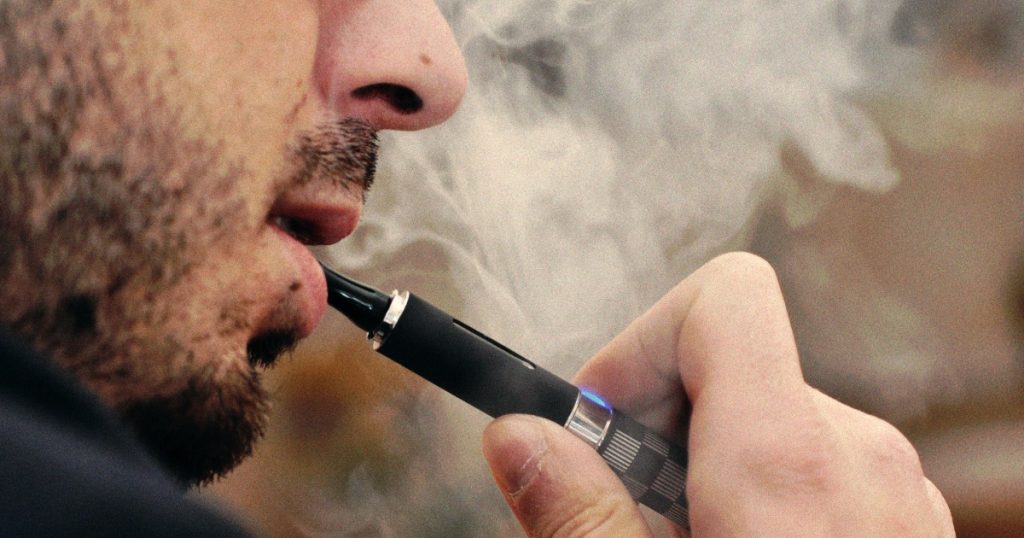
A groundbreaking study conducted by researchers at Manchester Metropolitan University has found that e-cigarettes and vaping products may pose health risks comparable to traditional cigarettes. This revelation is igniting discussions about the perceived safety of vaping, which many have considered a less harmful alternative to smoking.
The study, led by Dr. Maxime Boidin, analyzed data from over 1,000 participants to assess the long-term health impacts of e-cigarettes compared to conventional smoking. Researchers measured biomarkers linked to smoking-related diseases, including respiratory and cardiovascular issues. The findings revealed alarming evidence that the use of e-cigarettes is associated with serious health complications, including an increased risk of dementia, heart disease, and organ failure.
Dr. Boidin emphasized the significance of these findings in understanding vaping’s true impact on public health. “Our research indicates that although e-cigarettes may be perceived as a safer alternative, they still carry significant risks, including threats to brain health and vital organ function,” Dr. Boidin stated. The inhalation of various chemicals present in e-liquids contributes to these adverse health outcomes, which can parallel those typically associated with traditional cigarette smoke.
The study’s comprehensive analysis challenges the narrative promoted by some in the vaping industry, suggesting e-cigarettes are a healthier choice for smokers seeking to quit. As vaping becomes increasingly popular, particularly among younger populations, public health officials express growing concern about the long-term effects of these products. The potential health risks, including the dangers of neurodegenerative diseases and cardiovascular complications, underscore the urgency of addressing this trend.
Public health advocates are calling for stricter regulations on vaping products and clearer guidance for consumers in light of these findings. “It is crucial to educate the public about the risks associated with vaping,” asserted Eleanor Brooks, a public health policy expert. “The assumption that a product is ‘safer’ does not equate to it being safe.”
The research from Manchester Metropolitan University adds to a growing body of evidence indicating that, despite their contrasts to traditional tobacco products, e-cigarettes are not without risk. As policymakers and health authorities confront this information, the conversation surrounding vaping and smoking is likely to evolve further.
-Alan Lyndon
